 Skip to content
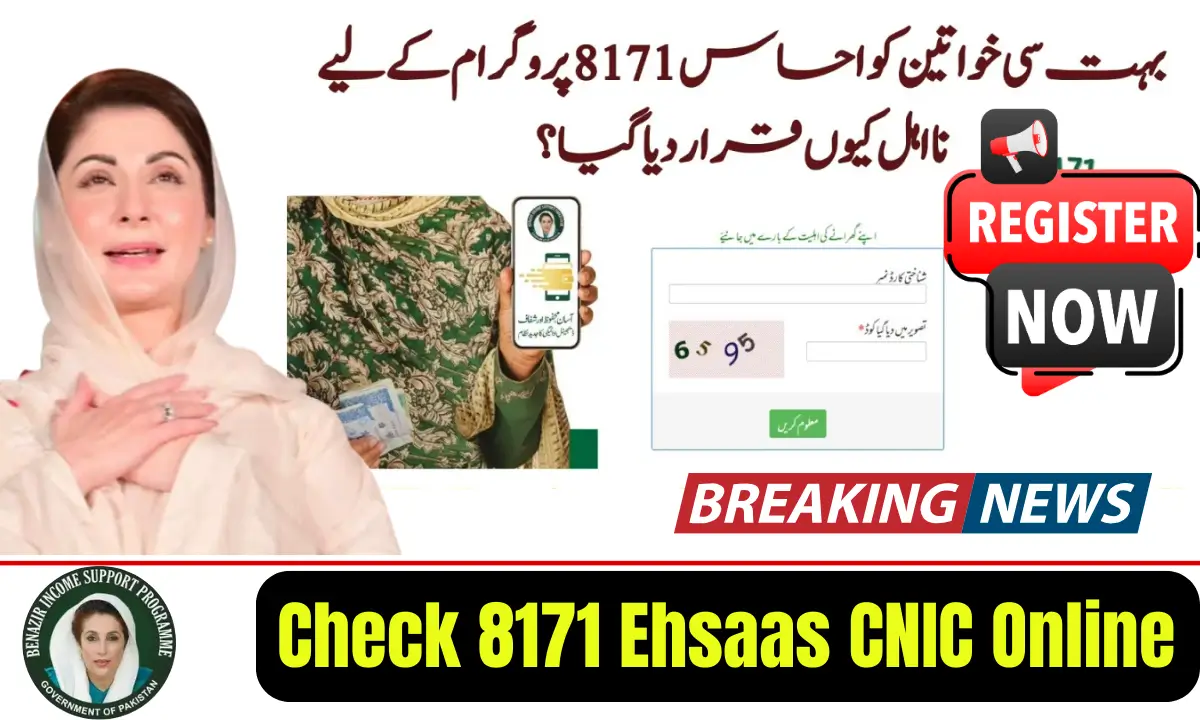
The Ehsaas 8171 Program remains one of Pakistan’s most prominent social protection initiatives, providing financial support to underprivileged families, particularly women. However, a significant number of applicants, especially women, find themselves declared ineligible. Understanding the reasons behind this ineligibility can help users navigate the program more effectively.
Understanding the Ehsaas 8171 Program
The Ehsaas 8171 cash assistance program targets low-income households and marginalized communities. Under this initiative, women are often the primary beneficiaries, receiving monthly payments to support basic needs. To ensure fairness, the program has strict eligibility criteria based on income, assets, and socio-economic status.
Common Reasons Women Are Declared Ineligible
1. Incorrect or Incomplete CNIC Details
Many women face rejection due to errors in their CNIC (Computerized National Identity Card) information. This could include:
- Wrong spelling of name
- Expired CNIC
- Mismatch between CNIC and Ehsaas 8171 database
Users must ensure that their CNIC data is accurate and up-to-date to avoid automatic disqualification.
2. Exceeding Income Thresholds
The Ehsaas 8171 program has strict income criteria. Women earning above a specified monthly income, including salaries, business revenue, or pension, are often declared ineligible.
- Household income exceeding eligibility limit
- Ownership of high-value assets or property
This ensures that aid reaches truly needy households, but many unaware applicants get excluded.
3. Government Employee Status
Women who are already employed in government sectors or receiving other government benefits may not qualify. This includes:
- Federal or provincial employees
- Pensioners from government institutions
The program prioritizes those without alternative support systems.
4. Duplicate or Multiple Applications
Submitting multiple applications under different CNICs or names can trigger rejection. The 8171 portal system flags duplicates to prevent misuse of funds, but legitimate users sometimes face accidental disqualification.
5. Household Headship Issues
In some cases, the program requires the female applicant to be the head of the household or primary income earner. Women from households where someone else is registered as head may face ineligibility, even if they contribute significantly to family income.
How to Verify Ehsaas 8171 Eligibility
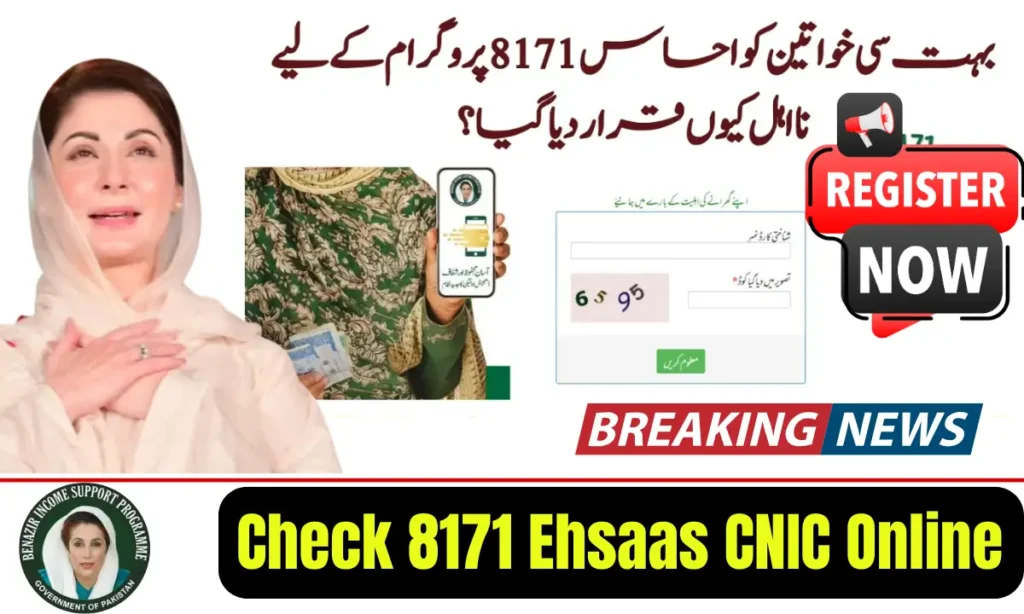
Users can check their status online via the Ehsaas 8171 portal by:
- Visiting the official Ehsaas 8171 web portal.
- Entering CNIC number correctly.
- Reviewing the eligibility message displayed.
Women declared ineligible are encouraged to review their CNIC information, income details, and household data before reapplying.
Tips to Avoid Rejection
- Keep CNIC and personal details updated and consistent
- Avoid submitting multiple applications
- Ensure household income documentation matches program requirements
- Seek assistance from local Ehsaas offices for guidance
By following these steps, users can increase the chances of successful enrollment and secure financial support.
Conclusion
While the Ehsaas 8171 Program aims to empower women financially, ineligibility often arises due to data discrepancies, income criteria, employment status, or household registration issues. Understanding these factors helps applicants address errors proactively. Staying informed and careful during the application process ensures women can access the support they deserve.