 Skip to content
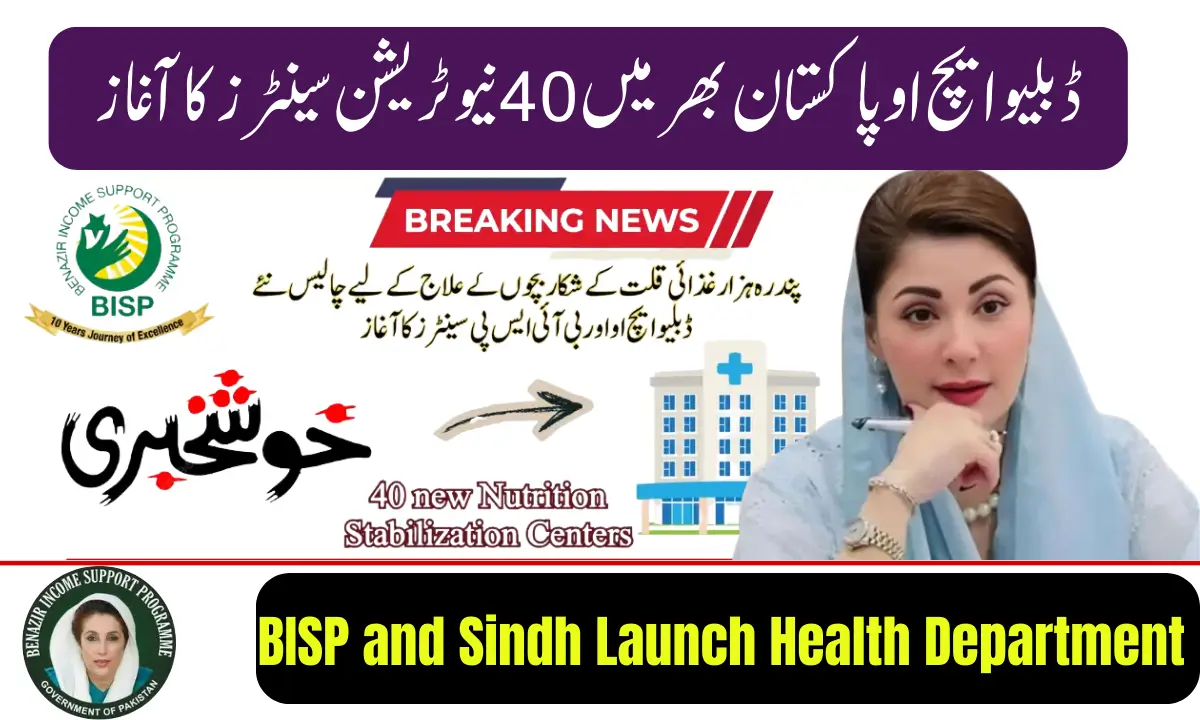
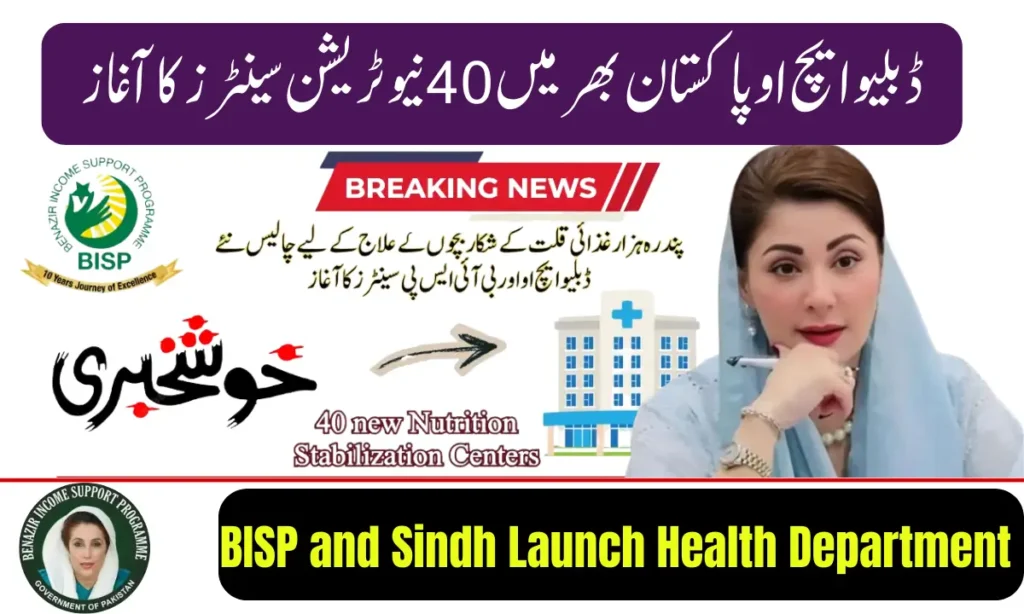
The Benazir Income Support Programme (BISP) has joined hands with the Sindh Health Department to strengthen efforts aimed at tackling child malnutrition across the province. The collaboration focuses on improving health services, nutrition awareness, and early support for families facing poverty.
Under this partnership, both departments will coordinate programs that connect financial assistance with healthcare services to protect children from malnutrition and related health risks.
Focus on Combating Child Malnutrition
Child malnutrition remains a serious concern in many districts of Sindh. Through this initiative, authorities plan to provide nutritional guidance, health monitoring, and better access to medical services for families already benefiting from government welfare programs.
Key objectives include:
- Reducing stunting and wasting among children
- Promoting maternal and child health awareness
- Improving access to nutritional supplements
- Strengthening community health outreach
Officials believe the integration of social welfare programs with health services will help vulnerable households receive more effective support.
Role of BISP in Supporting Families
The Benazir Income Support Programme, one of Pakistan’s largest social protection initiatives, provides financial assistance to low-income households through the Ehsaas Kafalat Program and other welfare initiatives.
Through the new partnership, BISP beneficiaries will receive additional guidance about:
- Child nutrition practices
- Vaccination schedules
- Prenatal and postnatal healthcare
- Safe food and hygiene practices
Families receiving financial aid will now also be linked to health services to ensure children grow in a healthier environment.
Sindh Health Department’s Contribution
The Sindh Health Ministry will deploy healthcare workers and nutrition specialists to implement the program at the community level.
Their responsibilities include:
- Conducting nutrition screening for children
- Providing vitamin and micronutrient supplements
- Organizing awareness sessions for mothers
- Monitoring children’s health through local clinics
Health officials say the program will especially focus on rural and underserved districts where malnutrition rates are higher.
Strengthening Social Protection and Healthcare
Experts highlight that combining financial support with healthcare initiatives can significantly improve child development outcomes. By linking BISP beneficiaries with health services offered by the Sindh Health Department, families can receive both economic and medical assistance at the same time.
The collaboration also aligns with Pakistan’s broader efforts to improve maternal health, reduce childhood illnesses, and enhance the overall well-being of low-income communities.
Looking Ahead
Authorities expect the partnership to expand gradually across more districts. Continuous monitoring and data collection will help assess the impact on child health indicators and guide future policies.
The initiative represents another step toward improving nutrition, healthcare access, and social welfare support for vulnerable families in Sindh.